

AI-Driven HR: The Transformative Role of Artificial Intelligence in Human Resource Management. – Dinesh Ruwan Kumara

1. Introduction
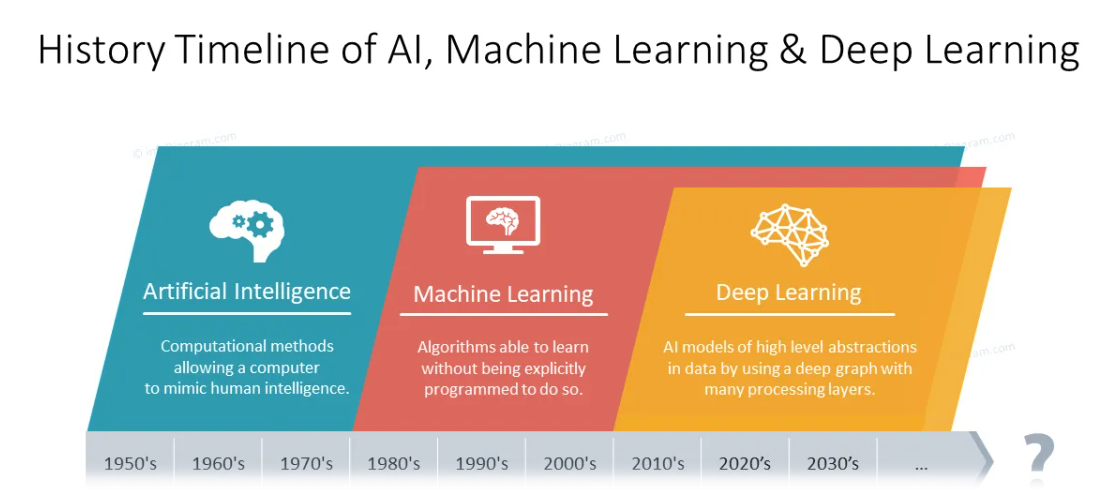
Artificial Intelligence (AI) is a concept which does not have a universal definition due to its nature and usage. However, in simple terms AI can be understood as “ a computer-based agent which act intelligently”. In order to understand what AI is and why it matters, we can explore three main approaches: 01) Technological Aspect, 02) Phycological Aspect and 03) Cognition(thinking) version behavior(acting) Aspect. Oppermann, S. (2019) introduced 03 key milestones of AI evolution: Artificial intelligence, Machine Learning, Deep Learning.
In the sphere of Human Resource Management (HRM), AI has been playing a critical role in both administrative functions and strategic management. As the 21st century is recognized as the age of digital technology and AI, businesses and HR must adapt to the development of AI-based models and tools.
The implementation of AI in Human Resource Management (HRM) is a crucial strategy for elevating efficiency, enhancing employee experience, and boosting organizational competitiveness. AI influences every stage of the employee lifecycle, from recruitment and onboarding to performance management and retention. According to Nosratabadi et al. (2022), AI models such as Random Forest, SVM, AdaBoost, Decision Trees, and Neural Networks are being used in processes such as recruitment, onboarding, training, retention, career development, performance management, etc. This indicates the early but increasing adoption of AI throughout the employee lifecycle.( Nosratabadi et al. (2022)).
- Key Areas Where AI is Transforming HRM
It is evident that AI has significantly impacted all processes of the employee lifecycle. This article will focus on four key areas where AI is transforming HRM.
- Recruitment and Talent Acquisition
In HRM, hiring and talent acquisition are two major areas where AI is making a significant impact. Traditionally, recruitment was a manual procedure that involved scheduling interviews, reviewing applicants manually and making subjective decisions. However, AI has transformed this by automating the screening of resumes and matching potential candidates with jobs based on behavioral characteristics, skills, and qualifications using sophisticated software algorithms. With the use of progressive learning algorithms, AI can adjust the data for programming. Artificial intelligence learns algorithms by identifying patterns and structures in data.
Nowadays, AI-driven chatbots can be able to conduct interviews, answer questions from applicants, and assist them with the application process. Video interview platforms such as HireVue use artificial intelligence (AI) to analyze the candidate’s body language, speech patterns, and facial expressions in order to determine a candidate’s suitability for a job. For example, Unilever has effectively screened applicants and performed initial evaluations using AI, greatly cutting down on hiring time and increasing hiring outcomes’ diversity (Upadhyay & Khandelwal, 2018).
- Onboarding and Training
AI is also essential for training and onboarding process. Employers are utilizing AI technologies to customize the onboarding process for newly hired employees by implementing automated systems that give customized training programs, pertinent material, and answers to frequently asked questions. To suggest tailored training materials, AI systems can monitor an employee’s learning preferences, speed, and areas for development (Jatobá et al., 2023). For instance, IBM Watson ensures a continuous learning environment catered to individual needs by using employee data to provide learning modules and upskilling opportunities. This method of personalized training promotes career development and increases employee engagement.
- Performance Management
According to Nair et al. 2023, AI makes it possible to track performance continuously using real-time data analytics, in contrast to traditional annual performance assessments. AI-powered Performance Management Systems (PMS) gather data from many sources and can assist in automating performance reviews and removing or at least minimizing bias in them (Haidari & Chhibber, 2022). Furthermore, sentiment analysis tools powered by AI look at employee behavior and communication to spot indications of dissatisfaction or disengagement. This aids HR managers in taking proactive measures to raise workforce morale.
- HR planning and Decision Making
AI is changing the game when it comes to strategic HR decision-making and workforce planning. HR managers may identify high-risk turnover regions, forecast future workforce requirements, and match talent strategies with business objectives with the help of predictive analytics. AI is also capable of conducting skill gap analysis to guide training and hiring strategies. By using AI-driven insights to prepare for upcoming opportunities and challenges, companies such as Accenture have enhanced their strategic workforce planning using these capabilities (Bersin, 2018). These decisions based on data help firms to stay flexible and competitive while also boosting productivity.
- Employee Engagement and Retention
AI plays a pivotal role in enhancing employee engagement and retention strategies by enabling HR Team to detect and forecast attrition risks, customize engagement tactics, and proactively address employee concerns. To find people who might be at risk of leaving the company, AI-powered predictive analytics can examine large datasets, such as employee demographics, performance records, engagement survey results, and even internal communication trends. By understanding employee needs and concerns, organizations can implement targeted initiatives to improve workplace satisfaction.
HR professionals may improve job satisfaction and lower turnover by implementing timely interventions like customized career development plans, recognition programs, or workload changes, (Panda et al., 2023). A more responsive and encouraging work environment is also being created by the deployment of AI chatbots and virtual assistants to continuously track employee feedback and offer 24/7 support (Sadeghi, 2024).
- Navigating Challenges in AI Adoption for HRM
While the integration of AI in Human Resource Management offers numerous benefits, it also presents several challenges that organizations must address.
- Data Privacy and Ethical Concerns
The use of employee data raises significant privacy and ethical issues, including concerns about bias and compliance with regulations.so therefore, it is crucial that Organizations establish clear data governance policies and ensure compliance with data protection laws. Also, utilizing transparent AI algorithms would help mitigate biases and build trust with employees.
- Algorithmic Bias
Algorithmic bias is a critical issue in AI systems, where models trained on biased data can unintentionally perpetuate discrimination. This reinforces existing inequalities and can lead to unfair outcomes in decision-making processes. One well-known example is Amazon’s AI recruitment tool, which was withdrawn after it was discovered to prejudice against female applicants because it was developed using skewed historical data (Dastin, 2018). To combat algorithmic bias, organizations need strategies such as using diverse data sets, conducting regular audits, incorporating human oversight, and utilizing bias detection tools.
- Decline of Human Engagement in HR
The decline of human engagement in HR processes is another significant concern. While AI can automate many tasks, it cannot replicate essential human qualities such as emotional intelligence, empathy, and intuition, which are critical for various HR functions. Additionally, the increasing reliance on AI for collecting and analyzing sensitive employee data raises serious concerns about data security and privacy.
To address the issue of declining human engagement, organizations can embrace several effective strategies. One approach is to implement hybrid models that blend AI tools with human oversight, striking a balance between efficiency and personal connection. Additionally, prioritizing emotional intelligence through training can empower HR professionals to build stronger relationships with employees. Regular check-ins and feedback sessions create an open dialogue, making employees feel heard and valued. Involving team members in decision-making processes not only boosts their sense of ownership but also fosters a collaborative environment. By promoting a culture of well-being and investing in continuous training, organizations can strengthen interpersonal relationships and enhance overall engagement.
- Summary
AI is revolutionizing Human Resource Management (HRM) in numerous ways, enhancing efficiency, data-driven decision-making, and agility. This technology improves nearly every aspect of HR, including recruitment and onboarding, performance management, and HR planning. By leveraging AI, HR professionals can make more deliberate decisions and better position their employees for enhanced experiences.
However, organizations aiming to gain the benefits of AI must address ethical concerns associated with its use. Ensuring transparency and maintaining a careful balance between technology and the humanity it facilitates is crucial. The future of HR will involve leveraging the strengths of AI while preserving the essential human characteristics that contribute to employee well-being and shape organizational culture.