

The Role of HR Analytics in Strategic HRM in the Modern Business World – Dinesh Ruwan Kumara
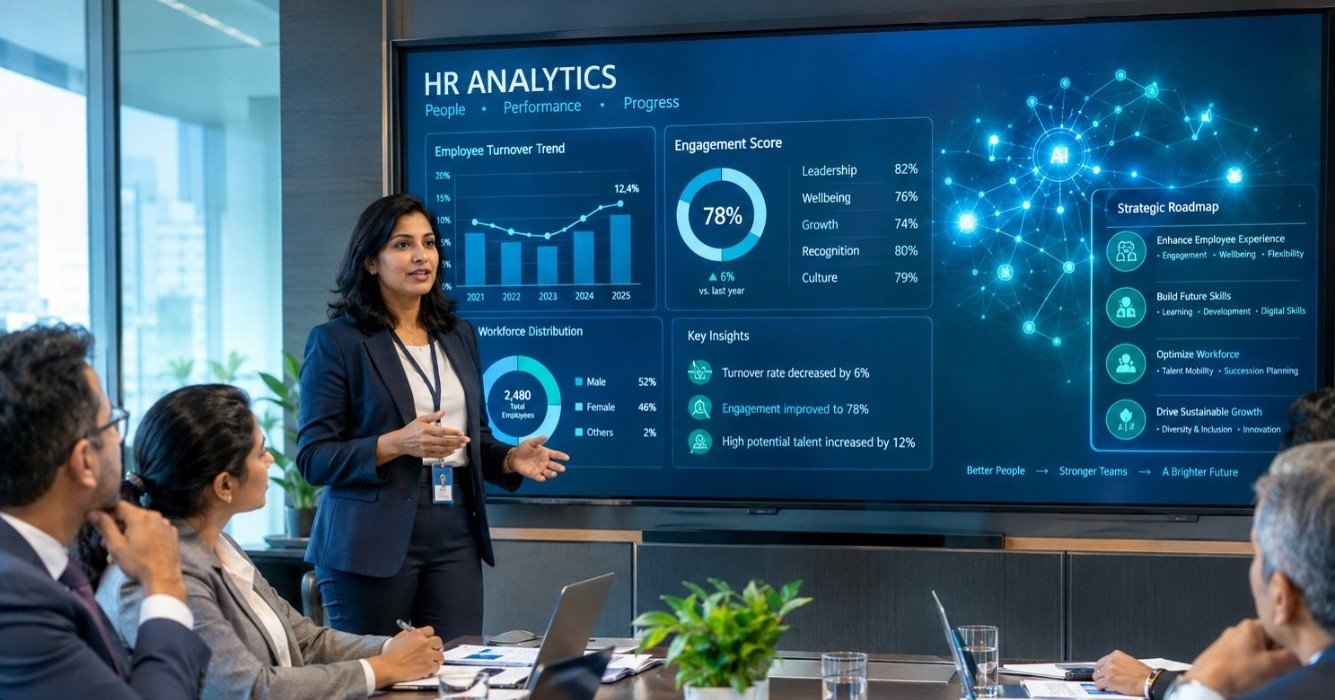
For many years, HR professionals have wanted to be more involved in the strategic decisions of their organisations. However, being part of those discussions requires more than an understanding of people and workplace issues. HR must also be able to demonstrate how its decisions affect business performance. This is where HR analytics becomes important.
HR Analytics and its Evolution
HR analytics involves collecting and analysing employee related information, including recruitment, attendance, performance, remuneration and employee turnover, to better understand workforce trends and workplace challenges. Rather than relying entirely on experience or personal judgement, HR professionals can use this information to identify problems, understand their possible causes and make informed decisions. With the growth of HR information systems, data became easier to gather and connect, and HR moved from describing what happened, to explaining why it happened, and now to predicting what is likely to happen.
How HR Analytics helps Strategic Decisions
One of the main benefits of HR analytics is that it helps organisations make decisions based on evidence rather than assumptions. This is particularly important when management must decide how to allocate resources, improve employee performance or address workforce challenges. For example, if turnover is linked to a particular department or shift pattern, HR can address that specific issue rather than introducing the same solution across the entire organisation. Workforce planning, succession planning, training investment and reward decisions all become stronger when they are based on analytics. It demonstrates how effective people management contributes to productivity, cost control and long-term business objectives.
The Future: AI in Analytics and decision making
As in other areas, Artificial Intelligence (AI) is creating new opportunities for organisations to analyse employee information and improve HR processes. There are tools and applications which screen employee dynamics, flag employees likely to leave, analyse thousands of survey comments in seconds and recommend personalised learning paths. Using AI responsibly and with proper understanding frees the HR team from routine work, time-consuming analysis and preparing dashboards. On the other hand, when AI is applied without adequate oversight or understanding, it brings real risks including repeated past bias, decisions nobody can explain and unrealistic roadmaps.
What HR Professionals need to prepare for
The HR professional of the future business environment does not need to become a data scientist, but needs to be comfortable working with numbers, understanding basic statistics, asking the right questions of the data and identifying when a result does not make sense. HR should also be the ethical voice in the organisation, ensuring fairness, transparency and lawful use of employee information. A good understanding of the business is equally important, as analytics is only useful when it answers the questions that matter to the business.
Analytics will never replace judgement, empathy or a good conversation with an employee. What it does is provide HR a stronger basis to make the case for people. Organizations that combine reliable data with sound human judgement will be best placed for the future world of work.